
Income Generation Ideas to Avoid at All Costs
Explore income generation ideas that are best avoided due to their high effort and low return. Learn why these ventures often fail to deliver significant financial rewards despite substantial investment.
Introduction
Not all income generation ideas are created equal. While some opportunities sound promising, they often turn out to be far more challenging than they’re worth. These are the ventures that demand extensive time, effort, and skill but often fail to deliver significant returns. The allure of these “high-potential” ideas can lead some to invest months or years, and or commit substantial financial resources, only to see minimal profit at the end.
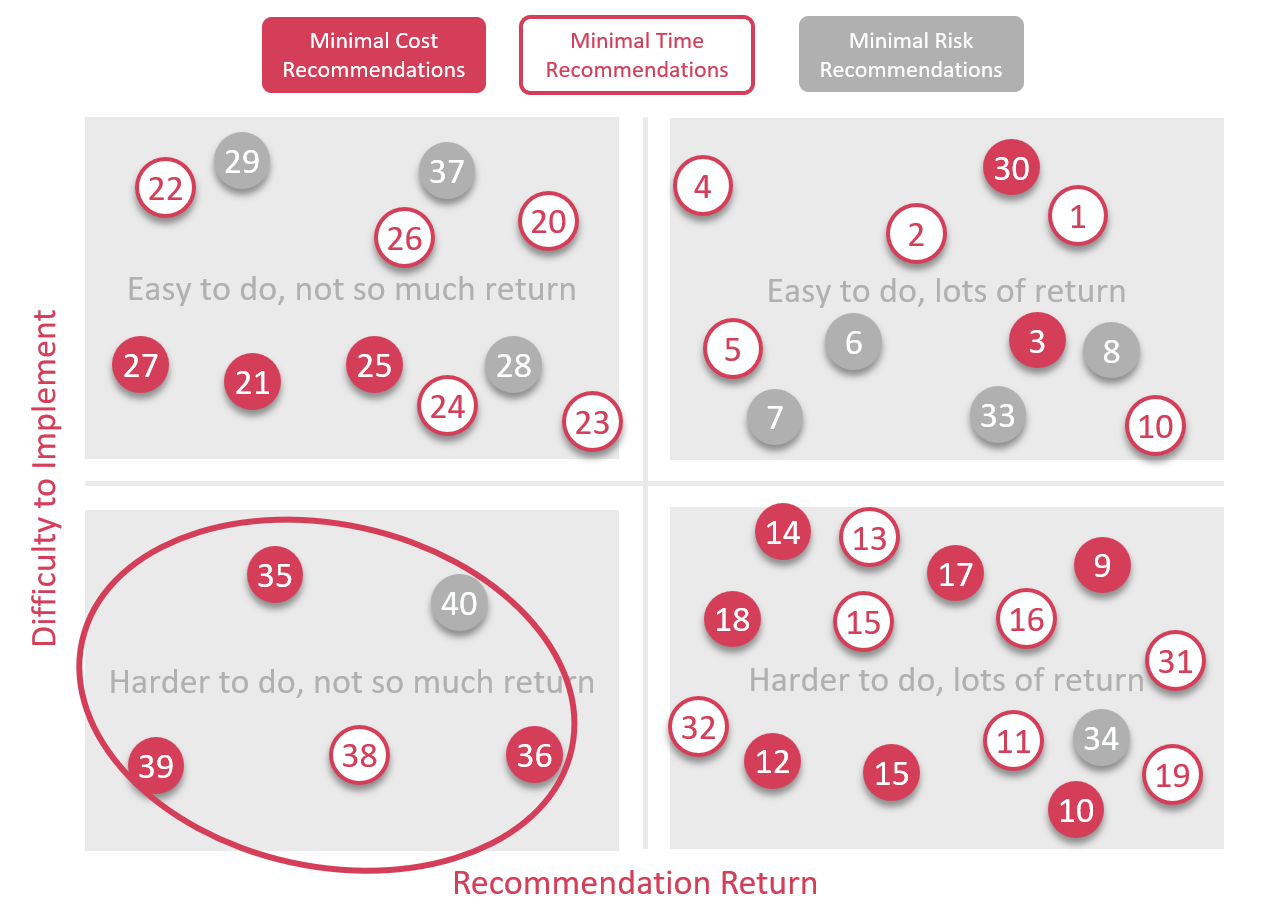
To help you avoid common traps, this blog introduces a simple framework for evaluating income-generating ideas, dividing them into four quadrants: income-generating ideas based on the level of effort and potential return, focusing specifically on the Hard to Do, Low Return category. These are ideas that require substantial commitment and often look appealing on the surface, but they’re notoriously difficult to turn into meaningful income sources.
The four quadrants are as follows:
- Easy to Do, Low Return – Simple ideas that don’t bring in much money. They’re generally only worth pursuing as small side activities.
- Hard to Do, Low Return – These are ideas that demand significant effort but rarely pay off, making them poor choices for most people.
- Easy to Do, High Return – Opportunities with high potential for earnings with minimal effort, though they’re rare to find.
- Hard to Do, High Return – Ventures that require time, money, or skill but promise substantial financial rewards if successful.
Income Accelerator Magic Quandrant
Income Generating Ideas
This blog focuses on ideas in the Hard to Do, Low Return category. These income sources often have a low rate of success whilst failing to provide a return that justifies the effort exerted. Some examples include:
- Blogging: Writing content on a blog and monetizing it through ads, affiliate links, or sponsored posts. While successful blogs can generate income, building a loyal readership and achieving consistent traffic takes years, and most blogs struggle to break even.
- Handmade Goods: Selling handmade crafts or products on platforms like Etsy. While it may sound rewarding, handmade goods require time, skill, and materials, and the profit margins are often slim due to competition and platform fees.
- Stock Market Investments: Investing in stocks or dividends to earn returns over time. Despite the potential for profit, it’s highly volatile and requires extensive research, discipline, and risk tolerance. Many amateur investors see more losses than gains.
- YouTube Channel: Creating videos to earn through ads, sponsorships, and viewer donations. The level of work involved in consistently producing high-quality content is intense, and it can take years to build a subscriber base large enough to generate meaningful income.
- Investing in Personal Brand Building: Building a personal brand on social media, while technically free, demands a huge investment of time, strategic content creation, and constant engagement. For most people, the effort doesn’t result in substantial monetary gains.
- Intrapreneurship: Taking on entrepreneurial projects within a company. While it involves minimal financial risk, it’s difficult to execute effectively without strong organizational support, and profits (if any) typically benefit the company more than the individual.
Conclusion
This blog assumes that each of these ideas is being pursued in isolation. In reality, combining or “cross-pollinating” ideas can sometimes create synergies that lead to meaningful financial rewards, especially if complementary ideas are executed in parallel. However, if you're serious about generating income, you may want to avoid these paths altogether or at least approach them with a clear understanding of their challenges.
While we've labeled these ideas as difficult to execute and often lacking in financial payoff, that doesn’t mean they’re universally unprofitable. If you possess unique skills, resources, or “unfair advantages” that increase the likelihood of success, then some of these paths might indeed be worth the effort. Ultimately, the decision comes down to your personal strengths and circumstances.